
The uncertainty surrounding the threat of tariffs, followed by the impact of increased costs on the supply chain, caused Miami-based fragrance distributor Essence Corp to invest more than a million dollars in a new warehouse facility and make some significant changes to its business over the past months.
The newly imposed tariffs—ranging from a 10% baseline on all imports to country-specific rates up to 50%— sharply raised input costs, complicated customs compliance, and squeeze already thin margins for many U.S. small and medium perfume producers and importers like Essence Corp.
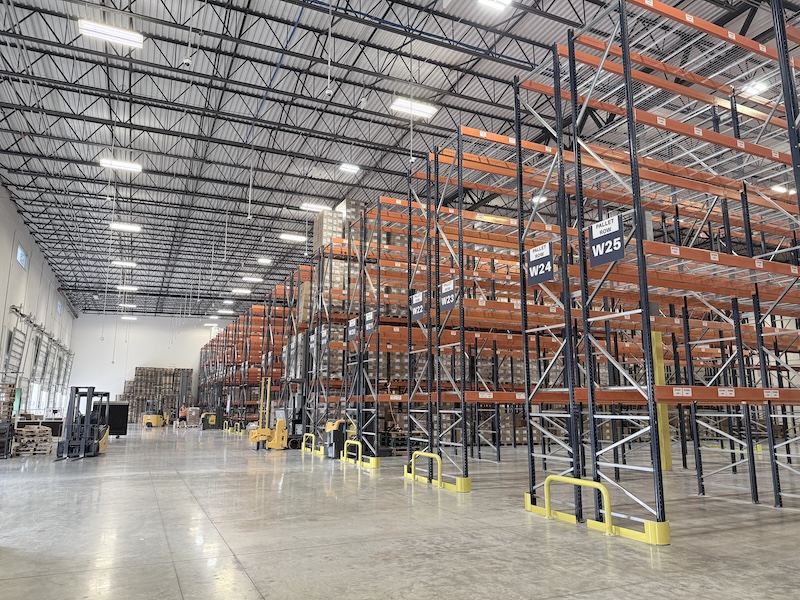
To combat the increased costs, Essence Corp has been developing its own Free Trade Zone warehouse and customs handling capabilities. One of the largest fragrance and beauty distribution companies in the Americas travel retail channel, Essence Corp signed a lease on a new 45,000 square foot warehouse facility in July in which to establish its own Foreign Trade Zone. The new facility is in addition to its existing 93,000 square foot warehouse that it has occupied since 2003 for duty-paid goods, which also includes space for bonded goods. Both facilities are located in the Doral area in Miami, about five minutes away from each other.

Antoine Bona, Essence Corp Vice President and third generation of the family to work in the company, tells Travel Markets Insider about the challenges the company faced in setting up the FTZ.
“After we signed the lease, from July to October we invested in racks and new machines, set up cameras, dealt with permits, etc, before we could formally apply for the FTZ certificate,” says Bona.
Essence Corp’s plan was to move its European brands into the 45,000 square feet warehouse and keep the U.S. brands – such as Bath & Body Works, Victoria’s Secret, Fenty Beauty, Benefit and some of the Interparfums New York fragrances, in the original space.
The investment in the new facility was an effort to mitigate the added costs from new tariffs imposed over the past year, which had a huge impact on Essence Corp’s business, confirmed Bona.
“Before April 2025, there were no duties in the US on p&c. So we were handling all our re-export business of European brands from our domestic warehouse. In April 2025 “reciprocal” tariffs of 10% were imposed on all consumers products including p&c and were increased to 15% in August 2025. This caused a lot of uncertainty in the industry. From April, when the first round of tariffs were announced, until July we did not know how high the tariffs where going to go. Then in July, the government added aluminum (a component in atomizers and caps) to the list, further complicating the picture.
“As a result, we now needed a lot more information from the brands to import goods: manufacturing addresses, aluminum declarations, and all types of codes and measurements. We had to set up a brand new master data in our ERP.
“The uncertainty of tariffs affected all parties: vendor, retailer, and consumers. We saw many customers reduce their ‘open to buy,’” said Bona.

Further challenging the retail opportunities for many fragrance importers and retailers, some of the brands raised prices.
“We had many of our brand partners raise prices between three and 10%,” said Bona.
Bona also pointed out that fragrance sales in the U.S. market were relatively flat last year—only showing growth of about 2.6% –with niche brands and disruptive Arab fragrances gaining market share.
All of which explains why Essence Corp is investing so heavily in setting up its own FTZ.
“We’re looking forward to our FTZ as a way to manage our goods very similar to the way we did it prior to tariffs on foreign imports of P&C.
“Essence Corp. operated a Bonded space for 20 years which we used to cross dock non FDA cosmetics and sun care in the past. Bonded for our regular business was too complex for export to provide exceptional customer service. The introduction of FTZ will allow for better management of goods, including custom services and the ability to handle smaller quantities, breaking master-packs, shipping individual testers and point of sale material which we were not able to do under the bonded system. With the FTZ, we will be able to deliver the same customer service that we provided when we were paying the duties,” he says.
Bona notes that investments were made in a new warehouse management system and customs software to streamline imports and provide real-time visibility to Customs.
“We also have our inhouse brokerage license, and we’ll be doing our own export documents. We were dependent on a third party for our bonded goods export documents last year.
“It’s been a lot of investments that took a whole year. We only recently started to import. We hired a Foreign Trade Zone administrator, and we beefed up our logistics team, and added a few more people at the back office for the FTZ.
The company finally got the approval from the CBP(Customs and Border Protection) on January 5th for its FTZ.
“It took us from July to October to prepare the warehouse and file the paperwork needed. We applied for the certificate mid October, and after two inspections, we received the ok from the CBP. After we had to wait for our Firms code and Filer Code. We received our first imports end of February and our first export was in March,” says Bona.
“Last year was, the hardest year we’ve ever experienced at Essence Corp. It was harder even than during COVID, when everybody was in the same boat, and the brands understood why we experienced challenges in Travel Retail. This past year we not only incurred high expenses investing in logistics and paying tariffs but we also had to deal with a challenging year in travel retail which some brands hard a hard time understanding.”
Despite the challenges Essence Corp faced in setting up the new system, Bona believes the investment has put the company in a much stronger position for the future.
“I am hearing that several other major companies in the industry are now in the process of setting up their own FTZ. I think we’re one of the first distributors in the industry to obtain the certification. We are quite proud of that, and I think it strengthens our position as a distributor going forward,” he concludes.
…
The rocky world of tariffs
Before April 2025, there were no duties in the U.S. on perfumes and cosmetics. At this time, Essence Corp was handling all of its re-export business of European brands from its domestic warehouse.
In April 2025, the U.S. government imposed “reciprocal” tariffs of 10% on all consumer products including perfumes and cosmetics; the tariffs were increased to 15% in August 2025.
In February 2026, the Supreme Court declared these tariffs illegal.
In March 2026, U.S. Customs and Border Protection is working on a process to reimburse these duties, but it is likely the current administration will litigate it.
At the same time, the government implemented a new “global” tariff of 10% under an emergency authority to be confirmed by the Congress after 150days. This global tariff replaces the previous “reciprocal” tariff: this will likely be increased to 15% soon.
Source: Essence Corp