
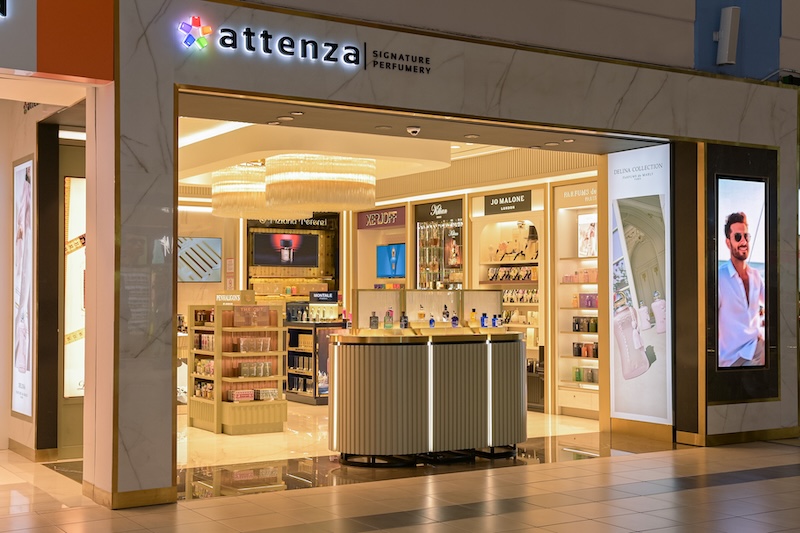
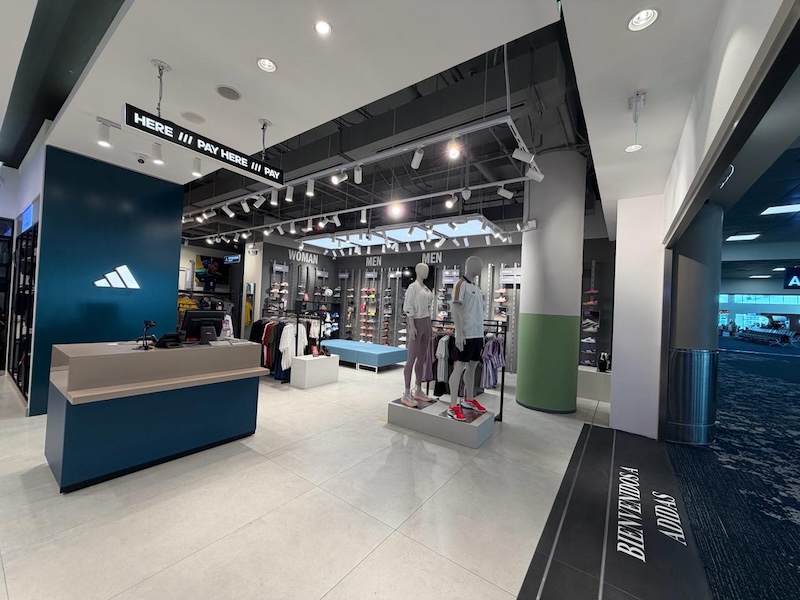
Following Attenza Duty Free’s recent expansion of its arrival and departure Duty Free stores and opening of specialist boutiques for Polo Ralph Lauren and Adidas at Mariscal Sucre International Airport in Quito, Ecuador, Travel Markets Insider caught up with Erasmo Orillac, CEO of parent company Motta Internacional, to review the latest developments at one of the pioneering companies in global travel retail, and how the industry has evolved over the past five decades. John Gallagher reports.

Erasmo Orillac, CEO of Motta Internacional has been in the duty free business for more than four decades. He has held the CEO role since 1996 and has been a board member of the IAADFS since 2005. Clearly, he has seen more than a few changes since he first started delivering liquor for his father’s company at Tocumen Airport.
John Gallagher of Travel Markets Insider spoke with him about his early days in the business and how Motta has grown into a major player in travel retail in the Americas and one of Panama’s most respected companies.
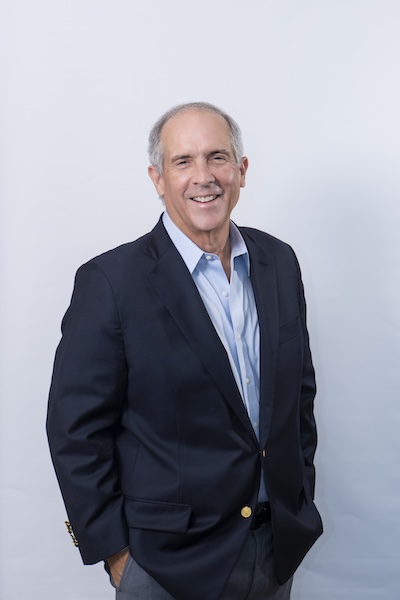
Erasmo Orillac: Alberto Motta Sr. recruited me to join the company in the late seventies, and it’s fair to say I have seen a few changes. Probably the biggest I have seen in Latin America since the early years is the size and design of the stores.
Back then, the duty free stores tended to be small, and everything was stocked behind the counter. Shop assistants only fulfilled orders with very little interaction with customers.
When I go through airports and see these stores now, it is clear there have been huge changes.
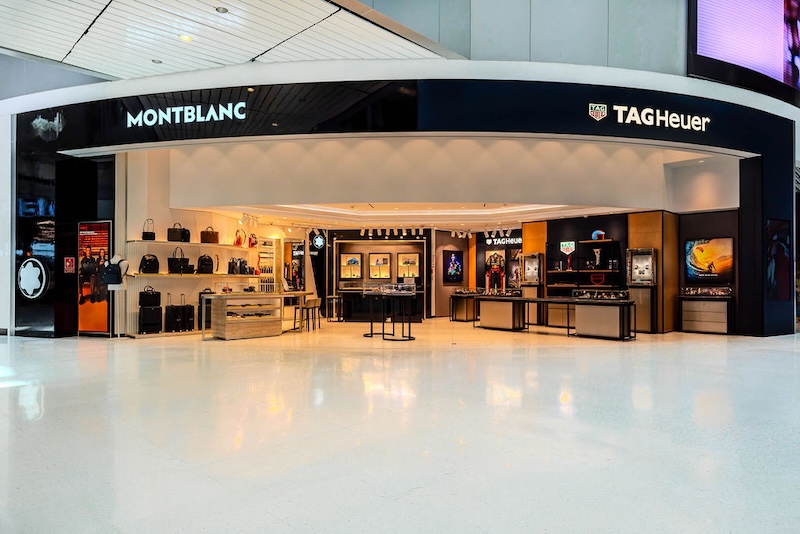
The format of the stores has changed dramatically – the layout, the design, and the furniture we have in our stores are now world-class.
In the last ten – fifteen years, the stores in Latin America, from Mexico down to Argentina and Brazil, have grown in size and in style. We have come a long way since the early days, and I would say that many of our stores are better than some stores in Europe and Asia.
More professional staff
The staff we have now are quite different from those in the early years. Store staff are better trained; and really understand the categories and brands we sell. They engage with customers and are tremendously proud to work in travel retail.
The role of local brands
Our duty free stores carry a variety of locally sourced products, including coffee, chocolate, and liquor. In the past, customs regulations made offering these products complicated. Today, several local brands play an important role for us and account for a meaningful share of overall sales. Airports also recognize the value of local brands not only in sales, but also in giving stores a sense of place.
Customer knowledge
Lastly, another notable change since my early days is customer knowledge. Passengers know exactly what a brand costs in New York or in Madrid. Anybody can pick up their cell phone and find all the information they are looking for, or even ask Claude, “What price should I pay for this?” Online consultations before purchase are common, and we must work more closely with brands to ensure we have the right pricing strategy across all our stores.
TMI: How has traffic developed in the airports where you operate?
EO: A few decades ago, people did not travel much, as flight tickets were expensive. Nowadays, not only has traffic increased, but we have four or five generations traveling in significant numbers.
At the same time, you have Baby Boomers, Gen Xers, Millennials, and Gen Zs passing in front of our stores; each one with different purposes, different tastes, different discretionary income, and different expectations of a duty free store. We are studying this phenomenon more than we have done in the past to adapt our stores and brand portfolio. If you manage this well, you can really improve footfall, conversion, and sales.
TMI: What lessons have you learned since you started in the duty free business?
EO: Well, I do not think we have enough time to cover all the mistakes I have made, but my main lesson is that it all boils down to people and relationships. I recall that Don Alberto (Motta Sr.) always said, “Treat people well and have a good relationship with them” – that is the best piece of advice I received in my years at Motta. Relationships are long-term, and if you have good relationships with people, the business will go well. You have no idea how many business opportunities have come from friends moving from one company to another.
And at the same time, I think that when I began, I thought I could do everything. Nowadays, I know there are certain things I cannot do. With our associates, I rely on them, trust them, and make sure that I do not overstep. The job of a CEO is to be a coach and to check results.
People are very important to our business. Relationships and people are key to success. Good, solid relationships have always been important, but nowadays they are even more so.
I must be aware that people are the key factor. Relationships and people are more important nowadays. They were always important, but nowadays they are even more so.
TMI: How has Attenza duty free changed in the last few years?
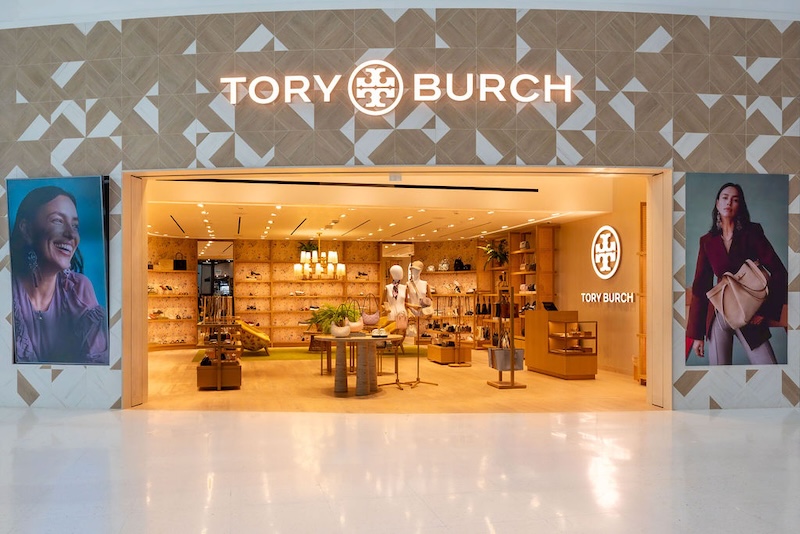
EO: In recent years, we have accelerated the way we do things in Attenza. I would say most significantly in our ability to design, build and open new stores. For example, the store we just opened in Quito in July is at the leading edge of travel retail design. Thanks to the long-lasting relationship between our Retail Team and a specialized architectural firm, we can quickly adapt our stores to the needs of passengers and airports, and things have come out well. When we renovate and build stores in the future, we are convinced that will compete with the best.
Service in-store
We offer the brands we work with more sales staff per square meter than most operators in Europe, the USA, or Asia because we believe the service they provide is instrumental in key metrics. We evaluate this daily to ensure we maintain the right balance between service and cost.
Data Analysis
We have also made significant investments in software to measure performance in stores, which our partners value tremendously because it enables better targeted actions at the commercial level and improves sales and margins. In an industry where you open 24 hours a day, seven days a week, and operating costs are high, this level of granular analysis is vital.
Technology will also help us to process sales at stores faster. Airlines are making passenger dwell times shorter, and we must be able to help the passengers shop and pay as quickly as possible so they can get on their flights relaxed and on time.

TMI: What is happening with passenger behavior and how has that affected your commercial strategy?
EO: As I mentioned before, catering to four of five generations at the same time is our biggest challenge. We have been studying the customer journey of each type of buyer to understand their expectations and adjust accordingly. For instance, last year we hired an outside consultant to measure, with the help of mystery shoppers, how our sales staff approach distinct types of customers. How do you greet a customer? How do you say goodbye to a customer? Even if they did not buy from us. We have always had a protocol, but now we are refining it, training more, and reinforcing it with the right incentives and technological tools.
A while back, I went into a store and went to the office, and there were about 65 or 70 notes with different promotions we had running at the same time. It is clear no one can remember that many, so now we have an app to help them remember, review, and explain promotions more efficiently.
Technology also helps us measure and monitor in-store traffic. With the help of heat maps, we can see where the hot spots are and measure the impact of changes in layout, promotions, and ads in real time, and make changes quickly when needed.
TMI: After the Quito renovations, what are the plans for Attenza?
EO: Our renovations in Quito were completed in July, and now we are looking to grow our footprint with new stores in Panama, while also exploring new opportunities in our territory to increase stores or add extra business units. Fashion and Clothing brands are doing extremely well for us and we would like to expand them.
TMI: You mentioned the importance of brands. Is that behind your interest in doing more branded boutiques at airports?
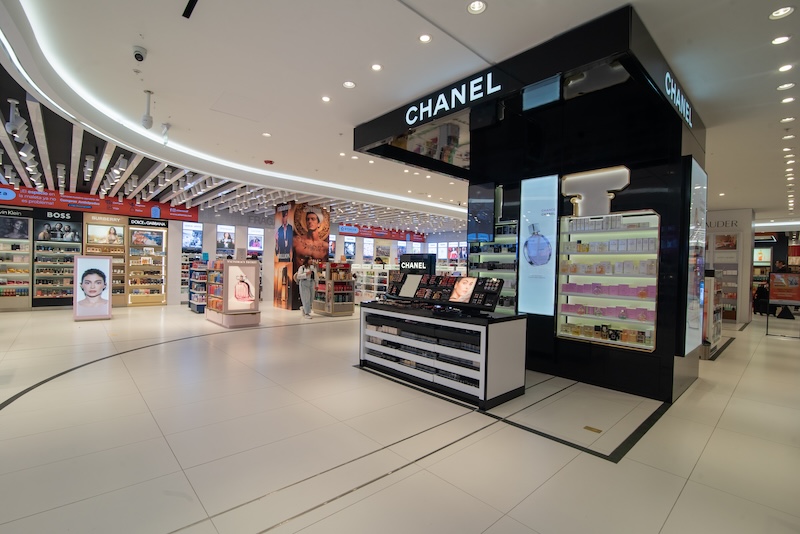
EO: Yes, it is. The results we have had are incredibly positive with both “shop within shop” boutiques and stand-alone boutiques. We are very pleased with our current brand portfolio and looking to expand it. We have a strong operational platform that allows us to quickly and efficiently add new brands.
TMI: How is Carisam* performing?
EO: Carisam is doing well, and the cruise industry is doing well – there is more competition coming into the industry, but our company is performing well.
The success of Carisam is a combination of two things – perfect logistics: we have to be perfect in order to make deliveries on Fridays, Saturdays, and Sundays, have the right assortment of products in the warehouse, and work very closely with the cruise ship companies.
TMI: The last question: if you could sum up Attenza Duty Free and your recent successes in one phrase, what would it be?
EO: Search for excellence.
For Attenza and Motta Internacional, search for excellence is our clear objective. We are searching for excellence every day of the week and every month of the year.
*Originally a ship chandler, Carisam is a Miami-based division of Motta Internacional that provides logistics for duty free goods and specialized services to the cruise and cargo industries, as well as the diplomatic and military channels.