
One on One with Courtney Keenan, Starboard, Director of Merchandising
Fashion has become the number one category onboard Starboard cruise ships, led by vintage handbags and other products from What Goes Around, Comes Around.
“Our guest has evolved so much over the years, and it’s been so exciting to see their positive reaction when we bring them something different,” Courtney Keenan, Starboard’s Director of Merchandising tells TMI’s Lois Pasternak in an exclusive interview this summer.
As cruise guests preferences evolve, Keenan explains that Starboard’s merchandising strategy evolved along with them.
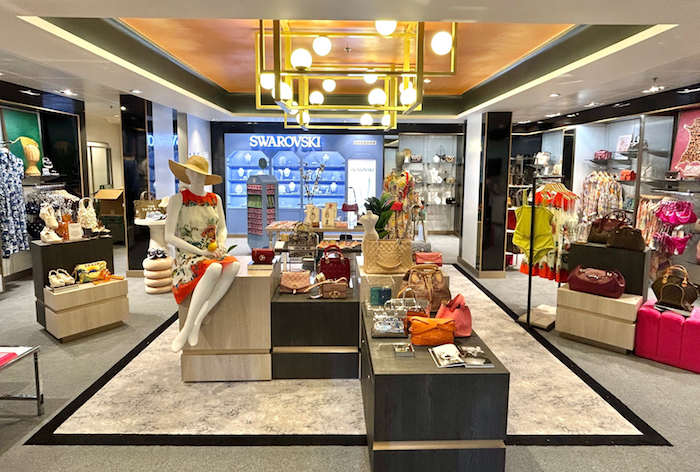
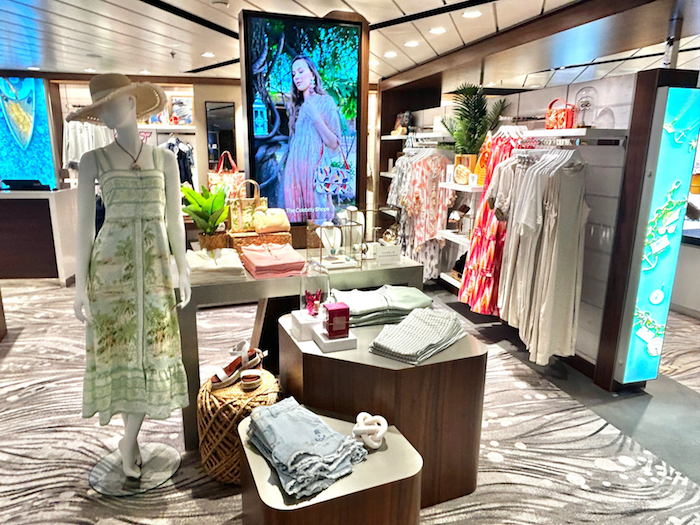
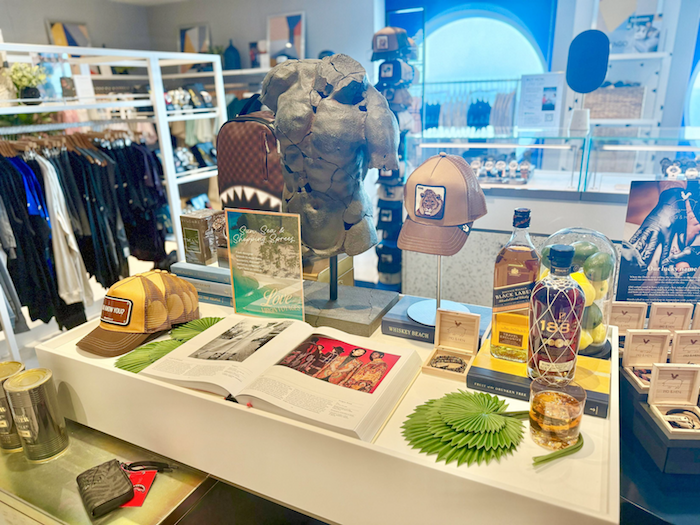
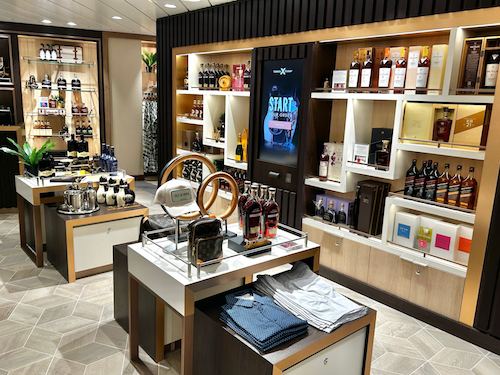
“One of the biggest shifts we’ve made in fashion is moving away from the traditional department store approach, where everything was organized by category. Instead, from a merchandising perspective, we have created a boutique look and feel with both product and environment. The assortment is more curated and intentional for that cruise guest who has that resort celebration mindset.”
Today’s cruise guests are looking to be inspired, says Keenan.
“We’ve intentionally created lifestyle stories and blurred the lines, where guests can buy from multiple different brands that deliver a head-to-toe look. We are very intentional with the color stories and the product we’re offering, so guests can see the finished look right in front of them. We also have some incredible visual merchandising partners that have transformed our spaces.”
Starboard’s evolved merchandising strategy strongly appeals to cruise guests, says Keenan.
“Some of the Legend of the Seas TikTok videos show lines outside of the doors waiting to get into our shop, which is really exciting.”
Starboard is offering both men and women’s fashion across multiple cruise lines.
“Our buying teams are looking at product and assortments, and it’s very evident how closely we’re working with store planning, design and visual merchandising. It’s not just the product but the whole environment that brings that story to life.”
So how important is the fashion category to Starboard’s overall offer on the cruise lines?
“It’s very, very important,” she notes. “Vintage handbags is currently Starboard’s number one category. This has been an incredible transformation, and I think it’s really elevating all the assortments around it.
“I was the handbag buyer back in 2019 when we brought on vintage luxury — we were the first ones to do it — and we knew just from looking at the trends and being at market that it was something people were talking about. It was still fairly new, but a lot of sales were online. We had the opportunity to bring vintage handbags to almost 13 million guests annually, giving them the opportunity to actually see and touch the products.”
Following a delay of two years due to the covid-19 shutdown, today the vintage handbag category sells more than any one individual Swiss timepiece brand or fashion or fine jewelry brand, says Keenan.
“At first, people assumed customers bought vintage handbags for the price. In fact, they buy them because each is a one-of-a-kind piece unavailable in stores. We just sold a $42,000 Hermes bag on Celebrity Ascent a few weeks ago.”
Keenan thinks that the allure of the category also goes back to the “celebration mindset.’”
“People are excited, and it’s another memory they can take away from their vacation.”
Keenan explains that the appeal of the vintage bags runs the gamut and resonates across all the Starboard ships.
“There is an appetite for vintage luxury bags across all the different cruise lines. We make sure the vintage luxury assortments that we offer speaks to that guest. The more accessibly priced items would be like Gucci and Louis Vuitton monogrammed bags. But even small leather goods are around $1,500.”
While a Louis Vuitton or Gucci monogram bag is easily identifiable and could be one of the cruiser’s first luxury purchases, on other ships, Starboard will carry a very rare Birkin or a Chanel in a colorway that is no longer available.
“These are for the person who wants a unique standout piece,” she says.
Personalization, a multi-generational trend
Personalization is another trend shaping the evolution of fashion aboard Starboard ships.
“Guests want a personalized experience—whether through a thoughtfully curated assortment or by making fashion more fun with personalization.”
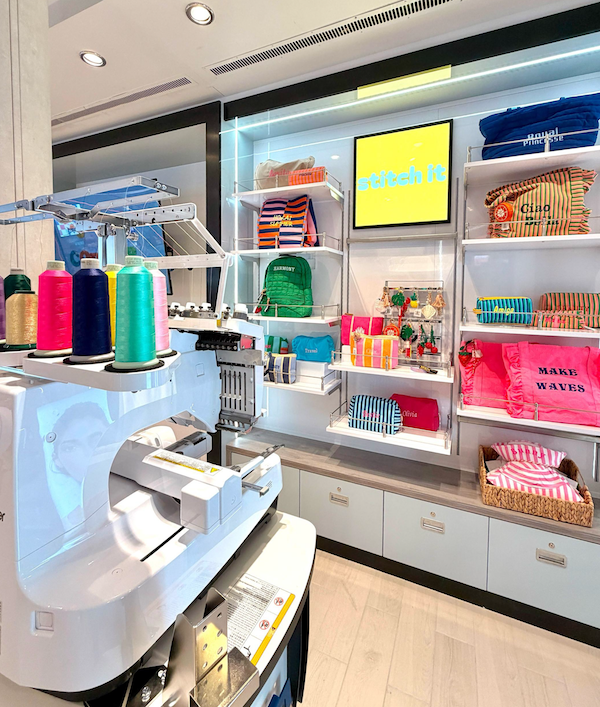
One of the hottest trends onboard is embroidery. Starboard has done over 11,000 embroideries by mid-year, and that’s only on a handful of ships. Starboard can embroider a name or a message onto a hat, a sweatshirt, a towel, a poncho, or the Captain Bears.
“A new program we have on Legend of the Seas for kids is ‘adopt a pet,’ where we embroider the pet’s name on the ear. What’s great about this is it’s done on the spot. Whether you add a name or your destination, it automatically becomes a memento from your vacation.
“As cruise passengers are becoming younger and more multi-generational, they are sharing other personalization trends like shoe charms, pins or bag charms,” says Keenan. “It may start with the kids, but I also see a lot of adults doing it as well. I think it’s another way to make something unique.”
Ear piercing and dressing
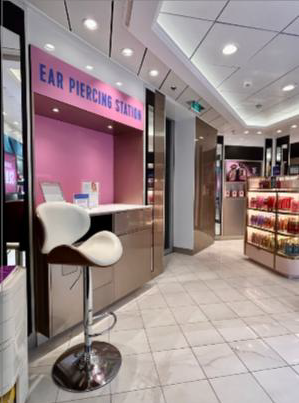
Keenan identifies ear piercing as another popular trend spanning generations aboard Starboard ships.
“Our retail managers tell me that the daughter, the mother, and the grandmother all get a piercing together. We’ve been averaging about 800 piercings a week and are on track to do more than 40,000 ear piercings over the next 12 months. You buy the earring and the piercing goes along with it.”
Another multi-generational trend started by Gen Z is ear dressing.
“Ear dressing is a new form of personalization that layers multiple piercings across the ear. It’s one of fashion jewelry’s biggest trends, reflected in our strong sales of multiple piercings.”
What qualities do you look for when choosing a fashion brand partner?
“Well known brands are always going to be a big driver for us. But we are really looking for those smaller discovery brands that are not readily accessible anywhere else,” explains Keenan.
“And we really like brands that have a story. ROMI, for example, is a new woman-owned resort brand that works with a lot of artisans out of Bali. They use traditional hand-dyeing techniques and all organic cotton. The product is beautiful, but what it stands for is also meaningful. It’s not a brand you will find in your local mall, only on board or in very select small boutiques.
“We primarily carry it on Princess, Virgin and Celebrity, just based on the space that we have and the price point.
“We also have more accessible brands, like Miami-based Mavrans, that uses sustainable fibers made out of coconuts. So it has the sustainability message that’s so important to us.”
Meeting the vibe
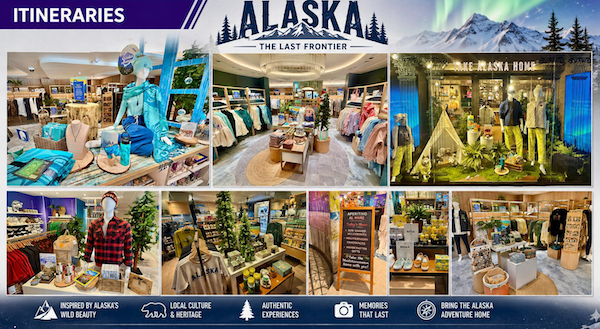
Keenan says each new brand must also match the shop’s atmosphere.
“If you’re in the Caribbean or the Med, we want you to feel like you’re in a resort shop. On an Alaska cruise, we want you to feel like you’re in an adventure or outdoor store. For example, in Alaska we work with Park Project, whose designs are inspired by local national parks. Their motto is ‘Leave it better,’ and they donate to the parks that inspire them. We’re very intentional about making sure the brand makes sense for the region it’s going to.”
The destination influences the fashion assortments in other ways as well, explains Keenan.
“We have a mix of artisanal fashion that are made by local artisans, which before used to be very traditional souvenirs. And now we’re going into more fashion, whether it be a handwoven hat or a silk scarf or jewelry that’s made from that region. We’ve also started offering items that guests can wear onboard or at the destination. For example, we brought in a brand called Cotton Natural, which is a cotton, that looks like linen and is what you would wear in Europe when you’re going sightseeing.
“We still carry artisanal pieces, which are amazing, but they can be a little bit pricier and might limit what guests might spend.”
Because cruise ships do not have traditional seasons like brick and mortar stores, Starboard is able to interject newness whenever the ship goes to a different destination.
Starboard has launched 20 new apparel brands just this year, says Keenan.
“We’re constantly testing and learning with new brands to keep it fresh onboard and use the data that is available pre-cruise to adjust our assortment. After each itinerary shift, we send a post-season hindsight survey to all of our gift shop managers and staff, which gives us real time feedback on what guests are asking for. Our CEO and the leadership team also visit major itineraries to talk with guests and staff.”
In conclusion, Starboard’s merchandising onboard its cruise ships goes far beyond how the assortment is presented in store. Merchandising entails what is on offer, confirms Keenan.
“We work very closely with our vendors to create exclusive capsules. We’ll curate certain pieces that make sense for our stores, and many of these smaller artisanal brands make products for us based on our needs.
“We want guests to enter our stores and see a complete look—a handbag paired with a caftan and swimsuit, along with fragrance and jewelry. Rather than showcasing items by brand, we curate head-to-toe outfits around the guest.”